Loft Boarding Cost in 2026: UK Prices per m² and by Loft Size
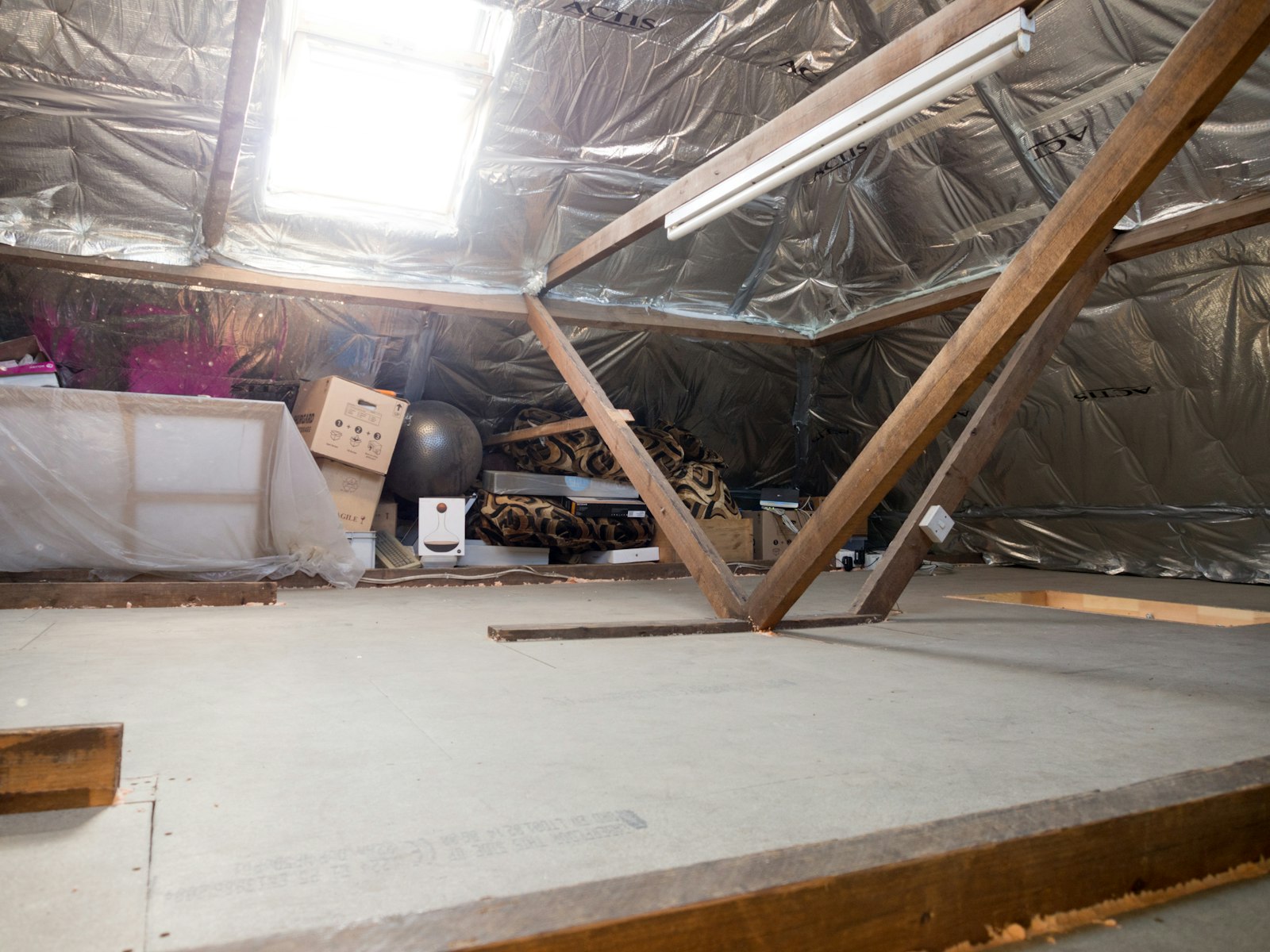
The typical loft boarding cost in the UK in 2026 is £1,100 to £1,500 for a 15m² area, fitted on raised legs over the insulation. We compared six price guides and installer price lists to get there. This page shows what you’ll pay per square metre and by loft size, what the extras cost, when DIY makes sense, and the rules that stop a simple storage floor from turning into a costly mistake.
Quick answer
- Raised boarding (on loft legs over the insulation): about £75–£100 per m² fitted (Less.co.uk, November 2026; MyJobQuote, October 2026).
- Boards fixed straight to the joists: about £55–£80 per m², but only where the insulation doesn’t sit above the joists.
- By size: roughly £700–£1,000 for 6m², £1,100–£1,500 for 15m², £1,500–£2,000 for 20m² and £3,000–£4,000 for 40m².
- Extras: loft ladder £150–£350 on an existing hatch, £450–£800 with a new hatch; light £60–£150; insulation top-up £500–£1,200.
- Rules: storage boarding doesn’t normally need planning permission or building regulations approval. Don’t squash the insulation, and never cut roof trusses.
Last checked: 16 November 2026. Prices include labour and materials unless stated.
How much does loft boarding cost per m²?
The price per square metre depends mostly on one thing: whether the boards can go straight onto the joists or need to be raised above the insulation.
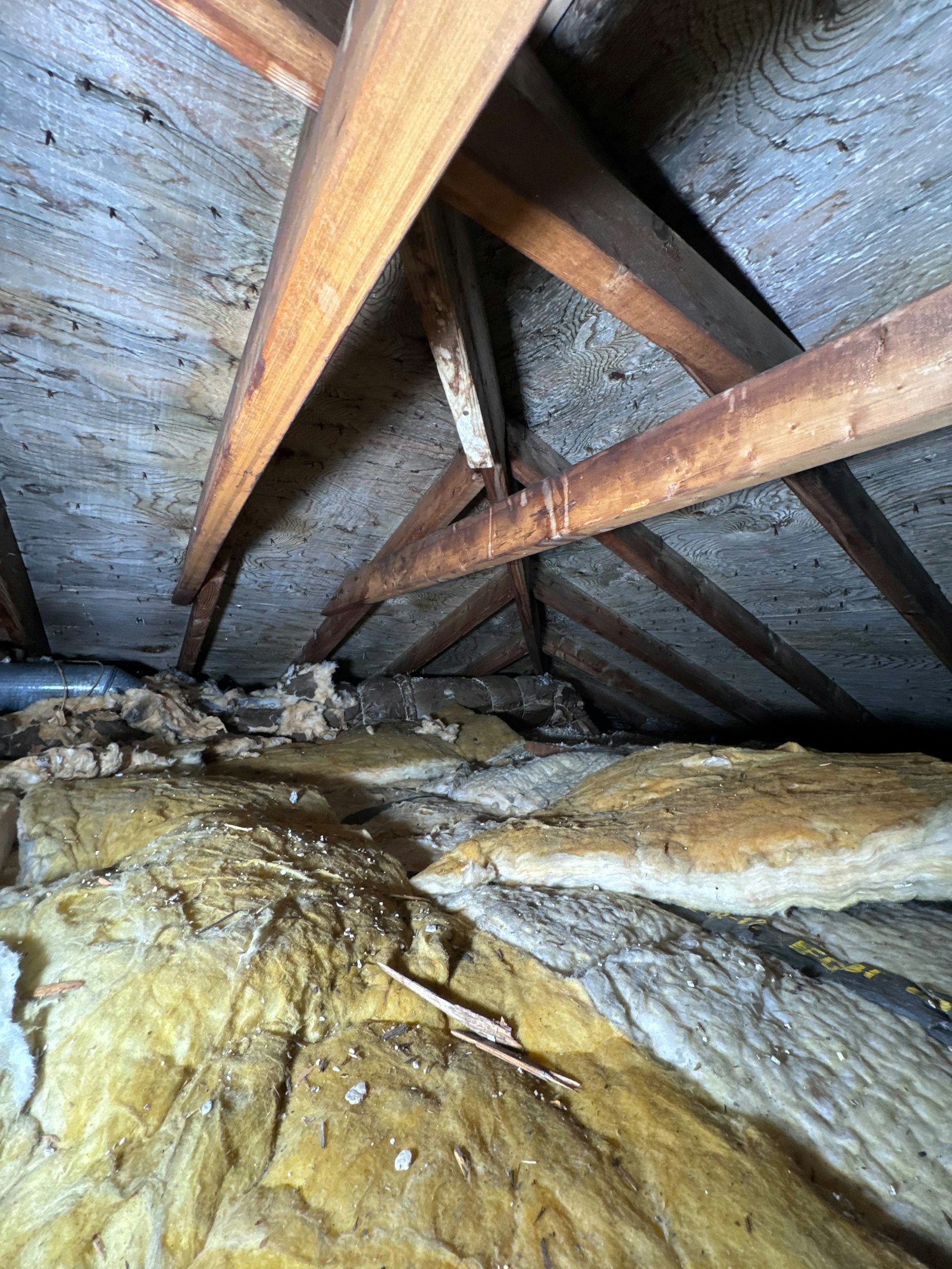
Most UK lofts now have thick insulation that rises well above the joists. The Energy Saving Trust recommends at least 270mm of mineral wool. A typical ceiling joist is only around 100mm deep. If you screw boards straight onto those joists, you crush the insulation underneath. LABC (the body for council building control teams) warns that boarding over insulation compresses it and cuts its energy-saving performance. MyJobQuote says squashing it can reduce its effectiveness by up to 50%.
So most installers now fit plastic or steel loft legs to the joists and lay the boards on top. That keeps an air gap above the full depth of insulation. It costs more, but it’s the right way to do it in most homes.
| Method | Price per m² (fitted) | Source and date |
|---|---|---|
| Raised boarding on loft legs | £80–£100 | MyJobQuote, 13 Oct 2026 |
| Raised boarding on loft legs | £75–£100 | Less.co.uk, 12 Nov 2026 |
| Loft legs and boards | £40–£65 | MyJobQuote loft legs guide, 8 Oct 2026 |
| Raised leg system plus boarding | £40–£70 | Trade2Base, 8 Jun 2026 |
| Raised system | £50–£90 (ex VAT) | Checkatrade, Jul 2024 |
| Boards straight onto joists | £55–£70 | MyJobQuote, 13 Oct 2026 |
| Boards straight onto joists | £60–£80 | Less.co.uk, 12 Nov 2026 |
| Basic boarding on existing joists | £25–£45 | Trade2Base, 8 Jun 2026 |
The lower figures (Trade2Base, MyJobQuote’s loft legs guide) tend to be for simpler jobs with easy access and no hatch work. Checkatrade’s figures are from 2024 and exclude VAT, so add 20% if your installer is VAT-registered.
The spread is wide. The two most recent guides, from October and November 2026, both put raised boarding at £75–£100 per m². We’d treat that as the realistic fitted price for a typical job this winter, and anything well below £60 per m² as a quote to read carefully: check it includes the legs, the labour and taking away the waste.
Loft boarding cost by loft size
Per-metre rates fall a little on bigger jobs, because the installer’s travel, set-up and getting materials into the loft are spread over more boards. Here are the fitted prices by area from the two newest guides:
| Area boarded | Less.co.uk (Nov 2026) | MyJobQuote (Oct 2026) | Checkatrade (Jul 2024, ex VAT) |
|---|---|---|---|
| About 6m² | £700–£1,000 | – | – |
| 10–12m² | £900–£1,450 | – | – |
| 15m² | £1,100–£1,500 | £1,100–£1,500 | £750–£1,350 |
| 20m² | £1,500–£2,000 | £1,500–£1,800 | £1,000–£1,800 |
| 30m² | £2,300–£3,000 | £2,350–£2,500 | £1,500–£2,700 |
| 40m² | £3,000–£4,000 | £3,000–£3,250 | £2,000–£3,600 |
Most people don’t board the whole loft. A strip down the middle and a 10–15m² storage area near the hatch is enough for suitcases, Christmas decorations and boxes, and it leaves the eaves clear for airflow and for anyone who needs to reach cables or pipes later.
Installer package prices
Specialist loft boarding firms often sell fixed packages rather than a per-metre rate. Less.co.uk reports that one national installer charges £699 for a 6m² area on homes built after 1960, and £999 on homes built before 1960. Older homes cost more because their roofs are usually built from separate rafters and joists of uneven sizes, which often needs a timber sub-frame rather than standard legs.
Loft Boarding South Wales lists packages from £790 for 6m² to £2,065 for 21m², including 18mm boards on a raised floor, an insulation top-up where needed, a three-section aluminium loft ladder and an enlarged hatch. Its page doesn’t say whether VAT is included, so ask.
Packages can be good value if you want a ladder and a bigger hatch anyway. Compare like with like: a £1,300 package with a ladder and hatch can beat a £1,100 boarding-only quote.
What affects the cost of loft boarding?
Raised or direct boarding
Direct boarding only makes sense if the insulation is all below the top of the joists, which is rare unless the loft has very little insulation (and then you’d want to top it up anyway). For most homes, plan on the raised price.
Age and roof structure
Many homes built since the 1960s have trussed rafters: factory-made triangular frames with thin timbers braced together. They’re light and efficient, but every piece has a job. Less.co.uk, citing the Trussed Rafter Association, says you should never cut or notch them, and truss makers such as MiTek say the same. That limits where boards can go, how big the hatch can get and whether you can move it. Pre-1960 roofs with traditional rafters and purlins give more open space, but the joists are often uneven, which takes longer to level.
Access and the hatch
Every board has to go up through the hatch. A small hatch means smaller boards and more joints, and it’s the most common reason people pay extra to enlarge it. Less.co.uk puts enlarging or moving a hatch at £120–£300. Trade2Base says £200–£500.
Insulation
If your loft has less than 270mm of insulation, boarding is the cheapest time to fix that, because the installer is already up there and will lay the boards above it. Less.co.uk puts a top-up to 270mm at £500–£800. MyJobQuote says £700–£1,200 for a top-up or new insulation.
Clearing and condition
Installers price for an empty loft. Clearing old belongings, rubbish or old insulation costs around £70–£200 (Less.co.uk, MyJobQuote). Signs of damp, wasps or rodents need sorting first. MyJobQuote puts pest or damp remediation at £120–£400.
Where you live
Labour is the main variable. MyJobQuote gives a typical day rate of £150–£250, higher in London and the South East. Most jobs take one to three days.
Extras: loft ladder, hatch, lighting and insulation
| Extra | Typical cost (fitted) | Source |
|---|---|---|
| Loft ladder on an existing hatch | £150–£350 | Less.co.uk; MyJobQuote; Trade2Base |
| Loft ladder on an existing hatch (ladder guide) | £250–£500 | MyJobQuote ladder guide, 6 Oct 2026 |
| Aluminium ladder with new hatch | £450–£600 | MyJobQuote ladder guide |
| Timber ladder with new hatch | £600–£800 | MyJobQuote ladder guide |
| Loft hatch, supply and fit | £150–£400 | MyJobQuote |
| Enlarge or move hatch | £120–£300 | Less.co.uk |
| Light and switch | £60–£150 | Less.co.uk; MyJobQuote |
| Insulation top-up | £500–£1,200 | Less.co.uk; MyJobQuote |
| Joist strengthening | £200–£600 | MyJobQuote |
| Waste removal | £70–£200 | Less.co.uk; MyJobQuote |
Loft ladder installation cost
A ladder is the extra most people add. Fitting a simple folding ladder to a hatch that’s already the right size is a two-to-three-hour job. The boarding guides put it at £150–£350. MyJobQuote’s dedicated ladder guide is higher, at £250–£500, and says the average is about £350.
The price jumps if the hatch needs to be bigger or moved: £450–£600 for an aluminium ladder with a new hatch, and £600–£800 for a timber one. Concertina and telescopic ladders sit at the top of that range, and electric ladders often cost £800 or more. If you only go up twice a year, a basic three-section aluminium ladder is fine.
Lighting
A light makes a boarded loft far safer to use. LABC says adding power or lighting to a roof space doesn’t need a building regulations application if a registered electrician does it. Taking a new light off an existing lighting circuit is usually minor work. A brand-new circuit has to be notified under Part P in England, which a registered electrician can do for you.
Worked examples
These examples use the named 2026 price guides above. They’re illustrations, not quotes. Our pricing method explains how we build our own estimates.
Worked example 1: 15m² storage area plus a loft ladder
A 1990s semi with good insulation already in place. The owner wants a raised storage floor near the hatch and a ladder fitted to the existing hatch.
| Item | Low | High |
|---|---|---|
| Raised boarding, 15m² (MyJobQuote / Less.co.uk) | £1,100 | £1,500 |
| Loft ladder on existing hatch | £150 | £350 |
| Total | £1,250 | £1,850 |
Worked example 2: 20m² full job with new hatch, insulation and light
A 1970s house with thin, old insulation and a small hatch. The owner wants 20m² boarded, the insulation topped up, a bigger hatch with an aluminium ladder, and a light.
| Item | Low | High |
|---|---|---|
| Raised boarding, 20m² (Less.co.uk) | £1,500 | £2,000 |
| Aluminium ladder with new hatch (MyJobQuote ladder guide) | £450 | £600 |
| Insulation top-up (MyJobQuote) | £700 | £1,200 |
| Light (MyJobQuote loft legs guide) | £80 | £150 |
| Total | £2,730 | £3,950 |
Ask for one price for the lot. An installer doing everything in one visit may knock something off, and you avoid one trade disturbing another’s work.
Worked example 3: DIY, 10m² raised boarding
A confident DIYer with a loft that already has a ladder and a light.
| Item | Low | High |
|---|---|---|
| Loft legs, boards and fixings for 10m² (MyJobQuote) | £220 | £320 |
| Extra screws, dust masks and gloves, a work light, taking waste to the tip (our estimate) | £100 | £150 |
| Total | £320 | £470 |
That compares with £900–£1,450 fitted for 10–12m² (Less.co.uk). You save several hundred pounds, but it’s a hot, cramped job, and the boards have to come up through the hatch one at a time.
Can you board a loft yourself?
Yes. It’s one of the more manageable DIY jobs, as long as you take care in three areas.
- Don’t crush the insulation. Use loft legs tall enough to clear the full depth of insulation, with a small gap above it. Check the leg maker’s guidance on spacing and load.
- Don’t cut or notch trusses or joists. Screw the legs to the top of the joists. If you want to remove or alter any timber, get a structural engineer to look first.
- Stay safe. Only stand on joists or boards, never on the ceiling between them. Wear a mask and gloves around mineral wool, take a work light, and keep clear of cables. Don’t bury cables or downlighters under boards or insulation without checking with an electrician.
Many people buy 18mm chipboard loft panels, often sold in packs of three, which are sized to fit through a standard hatch. Leave the eaves clear so air can move through the roof, which helps prevent condensation.
How much weight can a boarded loft take?
Less than most people think. Ceiling joists in most homes were designed to hold up a plasterboard ceiling, not a room full of heavy furniture. MyJobQuote says many newer homes are designed for light storage of around 25kg per m². We couldn’t trace that figure to a manufacturer or a standard, so treat it as a rough guide, not a rating.
In practice: keep heavy items (books, tools, paint) near the walls, where the load goes down to the walls below, and spread the weight. Don’t store anything heavy in the middle of a long span. If you want to store more than light boxes, ask a structural engineer whether the joists need strengthening, which MyJobQuote prices at £200–£600.
Do you need planning permission or building regulations?
Boarding a loft for storage doesn’t normally need planning permission or building regulations approval. It’s treated as a repair or minor improvement inside your home.
The line is whether it stays storage. LABC’s test is simple: “if it looks like a room – it’s a room.” It says that adding a permanently fixed stair or fixed ladder, installing a floor, or lining the walls or rafters makes the work a loft conversion, and an application is needed whatever you plan to use the space for. Structural changes, such as removing purlins or struts, or adding rooflights, also need approval.
So a raised storage deck reached by a folding loft ladder is fine. A boarded, plastered space with a fixed staircase, a radiator and a bed in it is a conversion. If you’re unsure, a quick call to your council’s building control team is free.
If you’re thinking of a proper room later, read our guides to loft conversion planning permission and building regulations costs before you spend money on boarding you may later rip up.
Does loft boarding add value?
Not much on its own. Buyers like a usable loft with a ladder and a light, and it can make a small house feel more practical, but it isn’t extra living space and estate agents won’t count it as a room. Do it because you need the storage.
A loft conversion is different. It adds a bedroom and can add real value, but it costs tens of thousands of pounds, not hundreds. See our loft conversion cost guide, the Velux loft conversion cost guide for the cheapest type of conversion, or try our loft conversion cost calculator.
VAT on loft boarding
Most installers charge VAT at 20% on boarding. There’s one exception worth knowing about. HMRC’s guidance says walkways, walkboards and ladders that are permanently fixed as part of installing roof insulation can be charged at the same reduced VAT rate as the insulation. If they’re fitted separately, or not fixed, the reduced rate doesn’t apply. If you’re having insulation put in at the same time, ask your installer whether this applies to your job.
How to get a fair price for loft boarding
- Measure the area you want boarded, not the whole loft floor. Most people need 10–20m².
- Ask what’s included: legs or a sub-frame, board thickness (18mm is standard), waste removal, VAT, and whether the hatch or ladder is part of the price.
- Ask how they’ll protect the insulation and what leg height they’ll use. If the answer is “straight onto the joists” over deep insulation, look elsewhere.
- Check they won’t cut trusses to fit boards or enlarge the hatch.
- Bundle the extras (ladder, light, insulation) into one visit.
Thinking bigger than storage? If you’re weighing up a full loft conversion, tell us about your home and we’ll pass your details to one vetted local builder for a free, no-obligation quote.
Loft boarding cost FAQs
How much does it cost to board a loft?
In 2026, raised loft boarding typically costs £75–£100 per m² fitted. That’s about £1,100–£1,500 for a 15m² storage area and £1,500–£2,000 for 20m², according to Less.co.uk and MyJobQuote. A ladder, light or insulation top-up costs extra.
How much does raised loft boarding cost?
Raised boarding on loft legs costs about £75–£100 per m² fitted in late 2026. It costs more than fixing boards straight to the joists (about £55–£80 per m²), but it stops the insulation being squashed, so it’s the right choice for most lofts with modern insulation.
How much does it cost to board a loft and fit a ladder?
For a 15m² area plus a ladder on the existing hatch, expect around £1,250–£1,850. If the hatch needs enlarging, a ladder with a new hatch adds £450–£800 rather than £150–£350.
Is it cheaper to board a loft yourself?
Yes. MyJobQuote puts DIY materials for 10m² of raised boarding at £220–£320, against £900–£1,450 fitted. Allow a bit more for fixings, safety kit and waste. You’ll need to clear the insulation with tall enough legs and avoid cutting any timbers.
Do I need building regulations to board my loft?
Not for storage boarding. But LABC says that if it looks like a room, it’s a room: a fixed staircase, a floor and lined walls make it a loft conversion, which needs building regulations approval whatever you use it for.
How long does it take to board a loft?
Most jobs take one to three days. A small storage area can be done in a day. A large area with a new hatch, ladder and insulation top-up usually takes two to three days.
Can you board over loft insulation?
Not directly. Boards laid on top of insulation squash it and cut its performance. Use loft legs to raise the boards above the insulation, which should be at least 270mm deep according to the Energy Saving Trust.
Sources
- MyJobQuote: Loft boarding cost (updated 13 Oct 2026); Loft legs installation cost (8 Oct 2026); Loft ladder installation cost (6 Oct 2026)
- Less.co.uk: How much does loft boarding cost in 2026? (updated 12 Nov 2026)
- Trade2Base: Loft boarding costs UK (8 Jun 2026)
- Checkatrade: Loft boarding cost (31 Jul 2024, ex VAT)
- Loft Boarding South Wales: Loft boarding packages (checked 16 Nov 2026)
- LABC: Loft conversions: when is a building regulations application needed?
- Energy Saving Trust: Roof and loft insulation
- Planning Portal: Loft conversion
- Trussed Rafter Association: tra.org.uk
- HMRC: VENSAV3300: walkways and ladders
This guide is general information for England, checked on 16 November 2026. It isn’t professional advice. Prices are from the named third-party guides and vary by area, access and loft condition; they aren’t quotes. If you’re unsure whether your joists can take a load or whether your plans need approval, ask a structural engineer or your building control body.