House Extension Cost UK (2026): Price per m² & Full Breakdown
Quick answer
A house extension in the UK typically costs £1,800–£3,500 per m² in 2026 (excluding VAT), with most standard-spec single storey extensions costing £2,200–£2,700 per m². That means a 20m² single storey extension costs around £40,000–£56,000 for the build alone, or roughly £55,000–£73,000 once design fees, building control and VAT are added. London prices are typically 20–35% higher.
- Single storey: £1,800–£3,500 per m² (ex VAT)
- Double storey: £1,600–£3,100 per m² of total floor area (ex VAT)
- Professional fees: roughly £9,000–£14,000 for a typical project
- Planning permission: many single storey rear extensions are permitted development
Get a figure for your extension in seconds. Enter the size, finish level and your region in our free calculator.
Looking for a specific project? Single storey · Rear · Side · Kitchen · Two storey · Side return · Wrap-around · Flat roof · Conservatory · Lean-to · Conservatory roof · Orangery · Garden room · Porch · Basement · Garage conversion
How much does an extension cost in 2026?
The quickest way to estimate an extension is by cost per square metre of new internal floor space. Builders and quantity surveyors price extensions this way because most of the cost – foundations, walls, roof, windows and finishes – scales with size. Three things then move the price up or down: the type of extension, the quality of finish and where you live.
The table below shows typical 2026 rates for each common type of extension. Figures are per m² of new internal floor area, excluding VAT, professional fees and kitchen units.
| Extension type | Basic finish | Standard finish | High-end finish |
|---|---|---|---|
| Single storey rear | £1,800 – £2,200 | £2,200 – £2,700 | £2,700 – £3,600 |
| Side return infill | £2,000 – £2,500 | £2,500 – £3,100 | £3,100 – £4,000 |
| Wrap-around | £1,900 – £2,300 | £2,300 – £2,900 | £2,900 – £3,700 |
| Double storey rear | £1,600 – £1,950 | £1,950 – £2,400 | £2,400 – £3,100 |
| Over-garage extension | £1,700 – £2,100 | £2,100 – £2,600 | £2,600 – £3,300 |
| Orangery / garden room | £1,700 – £2,100 | £2,100 – £2,800 | £2,800 – £3,800 |
Homebuilding & Renovating’s February 2026 figures are very similar: £2,200–£3,300 per m² for single storey extensions and £2,000–£3,200 per m² for double storey, depending on whether you choose a standard, good or excellent specification.
Extension cost by size
Here is what single storey extensions of common sizes cost to build, based on the HomeOwners Alliance’s 2026 range of about £2,000–£2,800 per m², plus our estimate of the all-in cost with fees and VAT:
| Extension size | Example dimensions | Build cost (ex VAT) | Estimated total inc. fees & VAT* |
|---|---|---|---|
| 15m² | 3m × 5m | £30,000 – £42,000 | £42,000 – £56,000 |
| 20m² | 4m × 5m | £40,000 – £56,000 | £55,500 – £72,500 |
| 30m² | 5m × 6m | £60,000 – £84,000 | £82,000 – £107,000 |
| 50m² | 5m × 10m | £100,000 – £140,000 | £136,000 – £175,000 |
Extension costs in London and by region
Where you live has a big effect on price. Labour rates, access, parking and waste disposal all cost more in London and the South East. BestBuilders’ 2026 data gives these standard-specification rates by region:
| Region | Standard spec per m² (ex VAT) | vs national mid-point | 20m² single storey, all-in* |
|---|---|---|---|
| London | £2,900 – £3,600 | +20% to +35% | £70,000 – £91,500 |
| South East | £2,600 – £3,100 | +10% to +20% | £63,000 – £82,500 |
| South West & East of England | £2,300 – £2,800 | 0% to +10% | £58,500 – £77,000 |
| Midlands | £2,150 – £2,650 | −5% to +5% | £55,500 – £72,500 |
| North of England & Wales | £2,000 – £2,450 | −10% to −5% | £52,000 – £68,500 |
| Scotland & Northern Ireland | £2,000 – £2,600 | −10% to +5% | £54,500 – £71,500 |
Extension costs by type
Every type of extension has its own dedicated cost guide on ExtensionCosts.co.uk, with prices by size, region and finish, a worked example and the planning rules that apply. This table summarises them.
| Type of extension | Typical cost in 2026 | Full guide |
|---|---|---|
| Single storey rear extension | £2,200–£2,700 per m² (standard); 20m² about £55,500–£72,500 all-in | Single storey extension cost |
| Rear extension (by depth: 3m, 4m, 6m, 8m) | 3m × 5m about £42,000–£55,500 all-in; 6m × 6m about £98,500–£127,000 | Rear extension cost |
| Side extension (semi or detached) | 3m × 6m single storey about £50,000–£66,000; two storey 42m² about £102,000–£132,000 | Side extension cost |
| Flat roof extension | £1,800–£2,700 per m²; 20m² about £45,500–£72,500 all-in | Flat roof extension cost |
| Two (double) storey extension | £1,950–£2,400 per m²; 40m² about £97,500–£126,000 all-in | Two storey extension cost |
| Kitchen extension | 25m² kitchen diner about £87,000–£125,500 all-in, including a mid-range kitchen | Kitchen extension cost |
| Side return extension | £2,500–£3,100 per m²; 12m² about £38,500–£51,500 all-in | Side return extension cost |
| Wrap-around extension | £2,300–£2,900 per m²; 30m² about £86,500–£114,500 all-in | Wrap-around extension cost |
| Conservatory | £9,000–£25,000 fitted | Conservatory cost |
| Lean-to conservatory | £6,000–£20,000 fitted | Lean-to conservatory cost |
| Conservatory roof replacement | £2,000–£15,000 depending on roof type | Conservatory roof replacement cost |
| Orangery | £25,000–£60,000 | Orangery cost |
| Garden room | £15,000–£30,000 installed | Garden room cost |
| Porch | £3,000–£12,500 | Porch cost |
| Basement conversion | Cellar £1,300–£2,800 per m²; new basement £2,250–£7,500 per m² | Basement conversion cost |
| Garage conversion | £10,000–£20,000 (single garage) | Garage conversion cost |
Single storey extension
The most common extension, usually built at the rear for a bigger kitchen, dining or family room, and often possible under permitted development. Expect £2,200–£2,700 per m² for a standard finish. See the full single storey extension cost guide for prices by size from 3m × 3m to 30m².
Flat roof extension
Most single storey extensions have a flat roof, which is cheaper than pitched by around £3,000–£7,000 on 20m². Our flat roof extension cost guide compares EPDM, GRP and felt roofs and roof lantern prices.
Two (double) storey extension
Costs more in total but less per m² than single storey, because the foundations and roof serve twice the floor area: typically £1,950–£2,400 per m². A 40m² two storey extension costs about £76,500–£94,000 to build. Read the two storey extension cost guide.
Kitchen extension
You pay for the build and the kitchen, plus extra plumbing, drainage and electrics. Kitchens alone run from about £8,000 (budget) to £30,000+ (high-end). Full figures are in our kitchen extension cost guide.
Side return extension
Fills the alley beside the rear outrigger of a Victorian or Edwardian terrace. Tight access, steel beams and party wall work push it to £2,500–£3,100 per m². See the side return extension cost guide.
Wrap-around extension
An L-shaped combination of side return and rear extension, at £2,300–£2,900 per m². These often need planning permission. See the wrap-around extension cost guide.
Conservatories and orangeries
Glazed rooms are cheaper than a full extension: a uPVC conservatory typically costs £9,000–£25,000 and an orangery £25,000–£60,000. Compare styles and roofs in our conservatory cost guide, the cheaper lean-to conservatory, and our orangery cost guide. Re-roofing an existing one? See conservatory roof replacement cost.
Garden rooms
A detached insulated garden room or office typically costs £15,000–£30,000 installed and rarely needs planning permission. See the garden room cost guide.
Porches
The smallest extension: most porches cost £3,000–£12,500, and one of 3m² or less is usually permitted development. See the porch cost guide.
Basement conversions
Converting an existing cellar costs about £1,300–£2,800 per m²; digging a new basement costs far more, at £2,250–£7,500 per m². See the basement conversion cost guide.
Professional fees and other costs to budget for
Building work is only part of the cost. Professional fees and approvals typically add £9,000–£14,000 to a mid-sized extension. Homebuilding & Renovating’s example budget lists the following:
| Cost item | Typical cost |
|---|---|
| Architect – design only (RIBA) | 3 – 7% of build cost |
| Architect – full service with project management | 8 – 15% of build cost |
| Architectural technologist (CIAT) | 2 – 5% of build cost |
| Structural engineer | £1,000 – £2,500 |
| Building control (local authority or private inspector) | £600 – £1,200 |
| Householder planning application (England, from 1 April 2026) | £548 |
| Lawful development certificate (proposed) | £274 |
| Prior approval – larger home extension | £249 |
| Party wall surveyor | £1,000 – £3,000 per neighbour |
| Quantity surveyor (optional) | 1 – 3% of project value |
| Contingency | 10 – 15% of build cost |
Do you pay VAT on an extension?
Yes. If your builder is VAT-registered, building work on an extension is charged at the standard 20% rate. A reduced 5% rate only applies in limited cases, such as some conversions that change the number of dwellings, or work on a property that has been empty for two years or more. Many per-m² figures you see online exclude VAT, so always check whether a quote includes it.
What affects the cost of an extension?
Size and shape
A simple rectangle is the cheapest shape to build. Every corner, change in roof level or angled wall adds labour and materials.
Specification and glazing
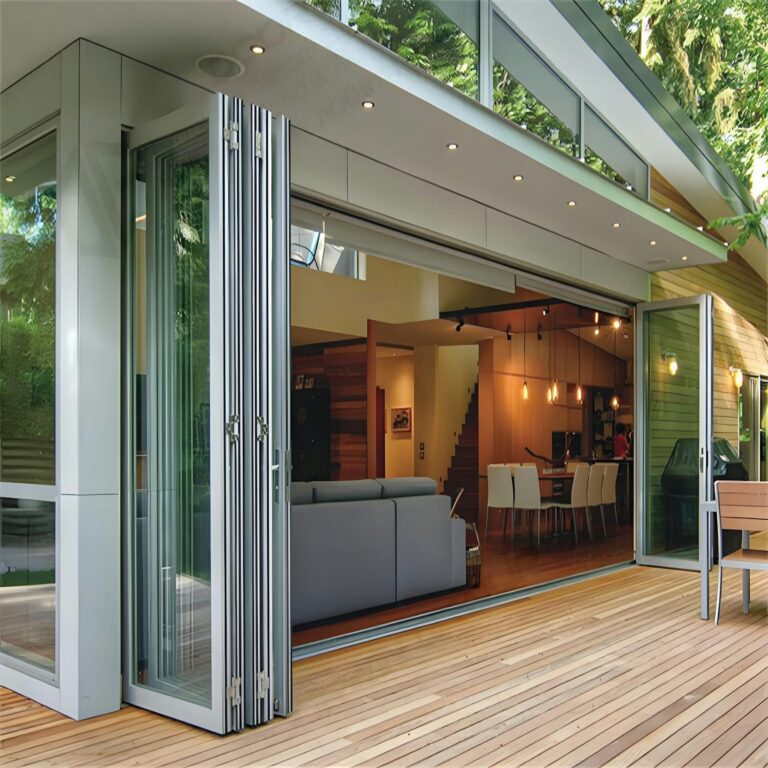
Bi-fold or sliding doors, large rooflights, underfloor heating and high-end flooring can add tens of thousands of pounds. Glazing is often the single biggest upgrade cost.
Groundwork and foundations
Clay soil, nearby trees, sloping gardens or drains running under the extension footprint can all require deeper or more complex foundations. A build-over agreement with your water company may be needed if you build over a public sewer.
Access
If materials and waste must be carried through the house, or there is no space for a skip, labour costs rise. This is common for terraced houses in cities.
Location
As shown above, London and the South East can be 10–35% more expensive than the Midlands and the North.
Do you need planning permission for an extension?
Many extensions in England can be built under permitted development without a full planning application. For example, a single storey rear extension on a semi-detached or terraced house can usually extend up to 3m from the original rear wall (4m for detached houses), and up to 6m / 8m under the prior approval scheme. Two storey extensions, wrap-arounds and anything on designated land are more likely to need permission. See our full guide: What size extension can I build without planning permission?
Whether or not you need planning permission, your extension will need building regulations approval.
How long does an extension take?
- Design and drawings: 4–8 weeks
- Planning or lawful development certificate: usually 8 weeks after validation; prior approval up to 42 days
- Tendering and builder availability: often 1–3 months, as good builders are booked up in advance
- Build: commonly around 3–4 months on site for a single storey extension, longer for two storeys
How to save money on an extension
- Keep the design simple – a rectangular footprint with a single roof line is the most cost-effective.
- Stay within permitted development where possible to save planning time and fees.
- Get a detailed specification before you tender so builders price the same thing – and compare at least three like-for-like quotes.
- Plan glazing carefully – fewer, well-placed openings can cost far less than a full wall of sliding doors.
- Agree the party wall process early with neighbours to avoid surveyor fees and delays.
- Hold a 10–15% contingency so surprises do not derail the project.
Working out how to pay for it? Our guide to how to finance an extension compares savings, remortgaging, further advances and home improvement loans.
Frequently asked questions
How much does a 4m × 4m extension cost?
A 16m² single storey extension at a standard finish costs roughly £35,000–£43,000 to build (excluding VAT) outside London, or around £44,500–£59,000 once professional fees and VAT are included. In London, budget closer to £56,500–£74,000.
Is £50,000 enough for an extension?
£50,000 including VAT and fees is enough for a modest single storey extension of around 15m² in most of the UK at a standard finish. It is unlikely to cover a kitchen extension with new units, a side return in London or any two storey extension.
Is it cheaper to build up or out?
Per square metre, a double storey extension is cheaper than a single storey one because the foundations and roof are shared across two floors. A loft conversion is usually cheaper still per m² – see our loft conversion cost guide.
Do I need an architect for an extension?
You need drawings for building regulations (and for planning, if required). These can come from an architect, an architectural technologist or a design-and-build company. For simple single storey extensions, a technologist is often the most cost-effective choice.
Does an extension add value to my house?
A well-designed extension that adds a bedroom or a large open-plan kitchen usually adds value, but it may not add as much as it costs – especially at a high-end specification. Check the ceiling price for homes on your street before you set your budget.
Get free extension quotes
Tell us about your project and we’ll put you in touch with vetted local builders who can quote. Free and no obligation.
Sources and methodology
- BestBuilders, House extension cost per m² in the UK (2026) – rates by type, specification and region.
- Homebuilding & Renovating, How much does an extension cost? (updated February 2026).
- HomeOwners Alliance, House extension costs: breakdown by size & type (updated July 2026).
- National planning application fees for England from 1 April 2026.
- How we calculate our cost estimates
All prices are guide figures for 2026 and vary with your property, specification and location. Always get detailed written quotes before starting work.