Side Return Extension Cost UK (2026): London & Regional Prices
Quick answer
A side return extension in the UK typically costs £2,500–£3,100 per m² for a standard finish in 2026, excluding VAT. A typical 12m² side return costs about £29,500–£36,500 to build in the Midlands, or £38,500–£51,500 all-in with fees and VAT. In London, the same project costs around £48,500–£64,500, before a new kitchen or party wall costs.
- Cost per m² (ex VAT): £2,000–£2,500 basic, £2,500–£3,100 standard, £3,100–£4,000 high-end
- 15m² side return in London: about £60,000–£79,500 inc. fees and VAT
- Party wall surveyor: £1,000–£3,000 per neighbour if they do not consent
- Planning: many side returns are permitted development – but not in conservation areas
Price your own side return in seconds. Enter the floor area, finish level, region and kitchen budget in our free calculator.
What is a side return extension?
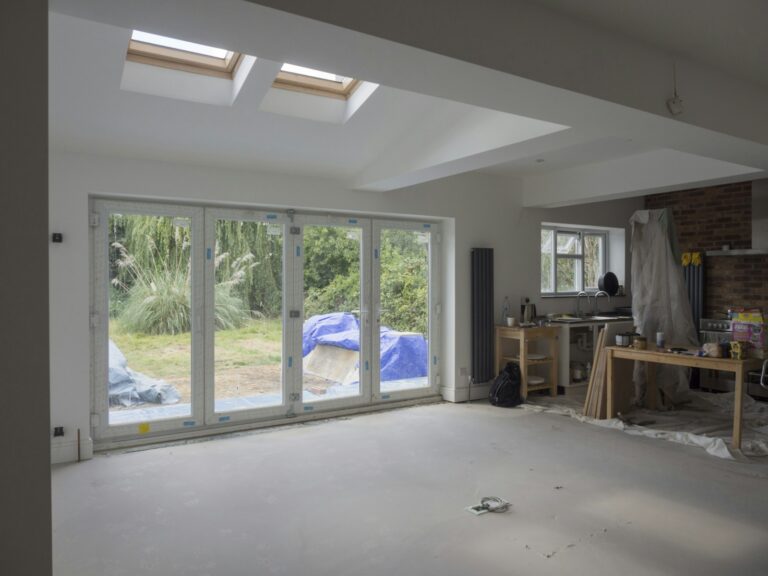
Most Victorian and Edwardian terraced houses have a narrow rear wing, or outrigger, that holds the kitchen. Beside it runs a thin strip of outdoor space – the side return – usually 1–2.5m wide, often damp and used for bins. A side return extension (also called a side infill extension) builds over that alley and knocks through the outrigger wall, turning a cramped galley kitchen into a wide kitchen-diner.
Because the extra floor area is small, side returns look expensive per m². You are paying for steel beams, a structural opening in a load-bearing wall, a new boundary wall or party wall works, and usually a glazed or partly glazed roof to bring light into the middle of the house. The payoff is a space that feels much larger than the few square metres added.
Side return extension cost per m²
| Finish level | Cost per m² (ex VAT) | Typical specification |
|---|---|---|
| Basic | £2,000 – £2,500 | Flat roof with two or three rooflights, single steel, standard doors |
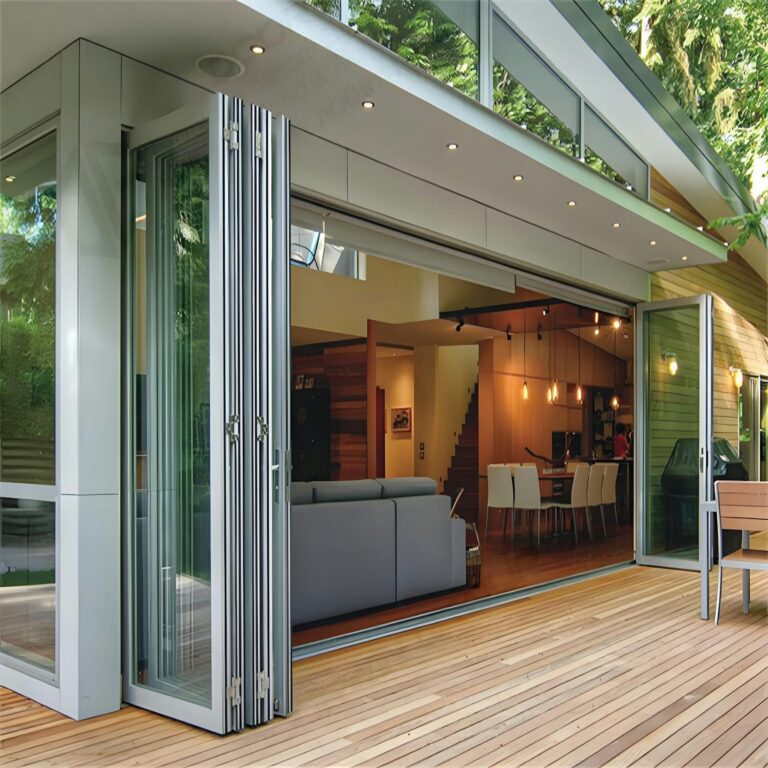
| Standard | £2,500 – £3,100 | Flat roof with a lantern or long rooflight, aluminium bi-folds or sliders, good finishes |
| High-end | £3,100 – £4,000 | Glazed pitched roof or structural glass, frameless sliders, underfloor heating, steel goalpost frame |
Published sources broadly agree, though they disagree on the top end. Homebuilding & Renovating gives £2,800–£3,800 per m² (standard to excellent spec, ex VAT) and says London and the South East add a further 20–25%. BestBuilders’ side extension guide quotes £1,900–£2,600 per m² for a standard scheme outside London and £2,800–£3,500 per m² for glass-heavy designs. One London architect quoted by Ideal Home budgets £2,500–£3,500 per m² plus VAT. Lower figures you may see online (from about £1,500 per m²) generally describe very simple builds without much glazing.
Side return extension cost by size
Most side returns add between 8m² and 18m². The table shows standard-finish costs in the Midlands (close to the national average) and London. All-in totals include design, a structural engineer, building control, a lawful development certificate and 20% VAT, but not a kitchen or party wall costs.
| Floor area | Example size | Build cost, Midlands (ex VAT) | All-in, Midlands | All-in, London |
|---|---|---|---|---|
| 8m² | 1.3m × 6m | £19,500 – £24,500 | £26,000 – £36,000 | £33,000 – £44,500 |
| 10m² | 1.5m × 6.5m | £24,500 – £30,500 | £32,000 – £43,500 | £40,500 – £54,500 |
| 12m² | 2m × 6m | £29,500 – £36,500 | £38,500 – £51,500 | £48,500 – £64,500 |
| 15m² | 2m × 7.5m | £37,000 – £45,500 | £47,500 – £63,000 | £60,000 – £79,500 |
| 18m² | 2.5m × 7m | £44,000 – £54,500 | £56,500 – £75,000 | £72,000 – £94,500 |
Remember that the new floor area is only the infill itself. If the old kitchen is also being stripped out and refitted, the room you end up with may be 25–30m², and the kitchen and refurbishment of the existing space are extra.
Side return cost by finish level
| Finish | Midlands, all-in | London, all-in |
|---|---|---|
| Basic | £31,000 – £42,500 | £39,000 – £53,000 |
| Standard | £38,500 – £51,500 | £48,500 – £64,500 |
| High-end | £47,000 – £65,000 | £59,500 – £82,000 |
Side return extension London costs
London has more side returns than anywhere else in the UK, thanks to its streets of Victorian and Edwardian terraces, and it is also the most expensive place to build one. Our London rate for a standard side return is about £3,125–£3,875 per m² (ex VAT), 25% above the national base rate. That is in line with Homebuilding & Renovating’s 20–25% uplift for London and the South East, and an architect quoted by Ideal Home who puts central London side returns at around £3,000 per m² plus VAT.
London projects also carry costs that are less common elsewhere:
- Access through the house. Mid-terrace homes have no side or rear access, so every bag of cement and every skip-load of spoil goes through the hallway. That adds labour and floor protection.
- Parking suspensions and skip licences from the council for the skip and deliveries.
- Party wall awards on both sides are common in terraces, particularly if your neighbour has already extended and you are building up against their wall.
- Build-over agreements. Shared sewers often run under side returns in London. BestBuilders reports Thames Water build-over agreement fees of about £341–£638 in 2026, and diverting a sewer can cost far more.
- Conservation areas and Article 4 directions are widespread in inner London boroughs, which often means a full planning application.
BestBuilders’ city-by-city data puts a standard 1.5m × 5m Victorian side return at £48,000–£68,000 in inner London and £42,000–£60,000 in outer London, compared with £32,000–£46,000 in Birmingham and £30,000–£44,000 in Manchester. For more on prices in the capital, see our house extension cost guide.
Side return costs by region
| Region | Standard per m² (ex VAT) | 12m² all-in | 12m² with one party wall award |
|---|---|---|---|
| London | £3,125 – £3,875 | £48,500 – £64,500 | £49,500 – £68,000 |
| South East | £2,800 – £3,470 | £43,500 – £58,000 | £44,500 – £62,000 |
| South West & East of England | £2,600 – £3,225 | £40,500 – £54,500 | £41,500 – £58,000 |
| Midlands | £2,450 – £3,040 | £38,500 – £51,500 | £39,500 – £55,000 |
| North of England & Wales | £2,300 – £2,850 | £36,000 – £48,500 | £37,000 – £52,500 |
| Scotland & Northern Ireland | £2,400 – £2,975 | £37,500 – £50,500 | £38,500 – £54,000 |
Side return kitchen extension costs
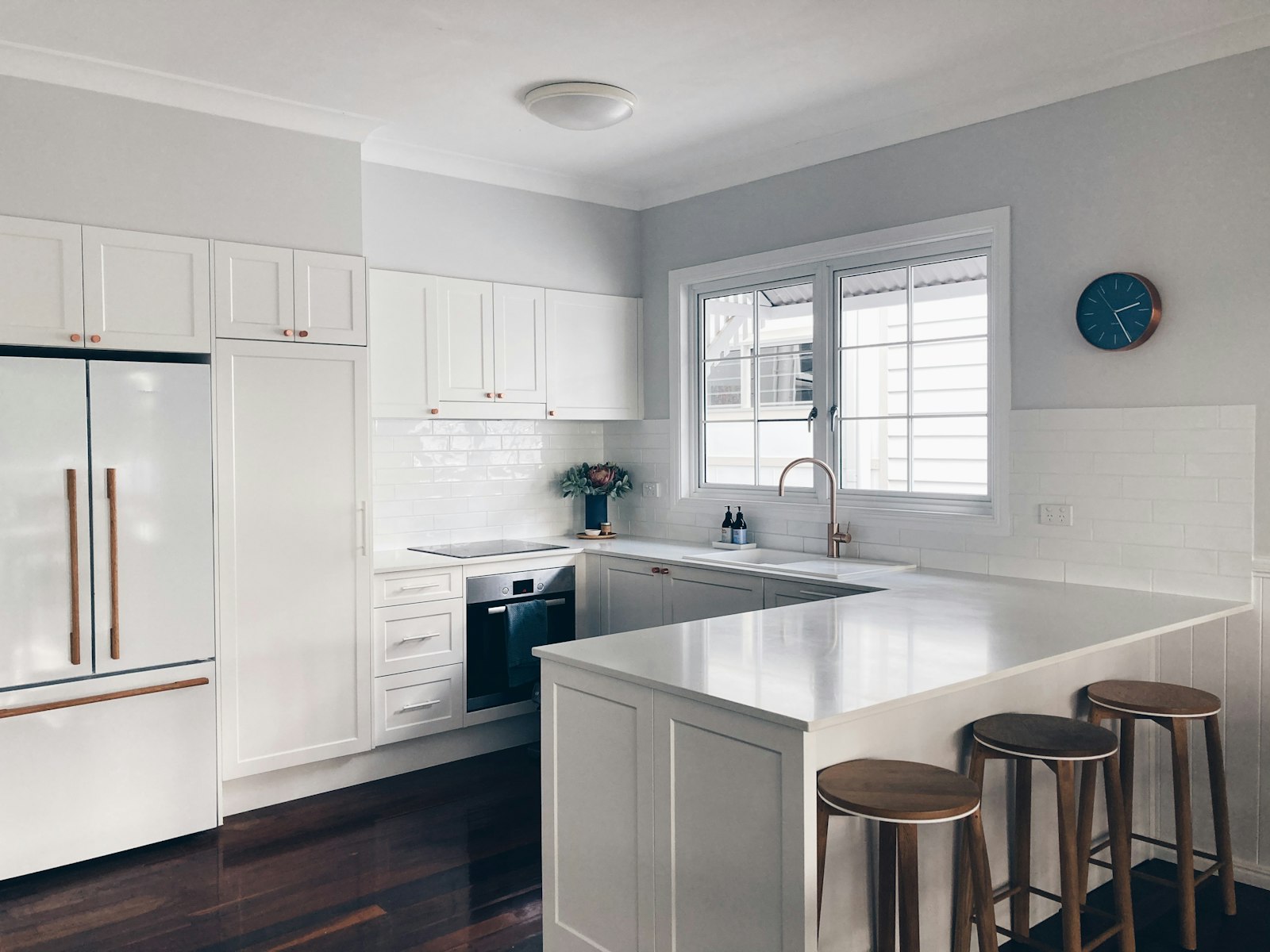
Almost every side return is a kitchen project, so the kitchen often decides the final budget. As a guide, fitted kitchens cost around £8,000–£15,000 at budget level, £15,000–£30,000 mid-range and £30,000–£50,000 high-end, plus VAT. Moving the sink to an island or a new wall also means new waste runs and possibly a new drain connection, while extractor ducting, extra sockets and lighting circuits add to the electrician’s bill.
Plan the layout before the builder starts. Moving a soil stack or gully after the slab has been poured is expensive. Our kitchen extension cost guide covers kitchen pricing in more detail.
Full cost breakdown
| Cost item | Typical cost |
|---|---|
| Build (standard finish) | £2,500 – £3,100 per m² ex VAT |
| Single steel over a 4m opening | £3,500 – £6,000 |
| Steel goalpost frame for a full-width 6–8m opening | £9,000 – £16,000 |
| Flat roof with two rooflights | £5,000 – £7,500 |
| Flat roof with a 2m lantern | £7,500 – £12,000 |
| Structural glass roof | £22,000 – £40,000+ |
| Architectural design | 4 – 7% of build cost |
| Structural engineer | £500 – £2,500 |
| Building control | £600 – £1,200 |
| Lawful development certificate / planning application | £274 / £548 |
| Party wall surveyor | £1,000 – £3,000 per neighbour |
| VAT | 20% on build and fees |
| Contingency | 10% recommended |
Steel and roof costs are already part of the per-m² build rates above. They are listed separately because they explain why one side return quote can be £20,000 higher than another for the same floor area.
Real example: side return kitchen extension on a Victorian terrace in London
Project: 2m × 6m side infill (12m²) on a mid-terrace house, flat roof with a lantern, aluminium sliding doors, standard finish, mid-range kitchen
Region: London
Approvals: lawful development certificate (£274) and a party wall award with one neighbour
- Build cost (ex VAT): £37,500 – £46,500
- Mid-range kitchen: £15,000 – £30,000
- Design, structural engineer and building control: £2,500 – £7,000
- Party wall surveyor: £1,000 – £3,000
- VAT at 20%: £11,000 – £17,500
- Total: about £67,500 – £104,000, or £74,500 – £114,500 with a 10% contingency
This is a modelled example from our calculator, not a quote. In a conservation area you would need a full planning application (£548) instead of a certificate.
What affects the cost of a side return?
Width of the return
Narrow returns (around 1–1.3m) cost the most per m², because the steel, roof edges and party wall work are similar whatever the width. A wider return gives far more usable space for not much more money.
Roof type
A flat roof with rooflights is cheapest. A pitched glazed roof running along the party wall looks great and floods the kitchen with light, but costs much more and must be designed to avoid overheating in summer.
Steelwork
Removing the outrigger’s side wall usually needs one long steel. Removing the rear wall of the main house too, for a fully open-plan room, needs a goalpost frame and much more structural work.
The party wall and boundary
If you build on the boundary line or need to raise or thicken the existing wall, you will have Party Wall Act duties. A neighbour who has already built a side return makes things simpler in some ways (you may be able to build against their wall) and more complex in others (their foundations).
Drains
Gullies, manholes and shared sewers are often in the side return. Moving them, or getting a build-over agreement, can add hundreds or thousands of pounds.
Side return planning permission
Many side return extensions in England can be built under permitted development as a single storey side extension, provided that:
- it is single storey, with a maximum height of 4m;
- it is no wider than half the width of the original house;
- eaves are no higher than 3m if the extension is within 2m of a boundary – which almost every side return is;
- materials are similar in appearance to the existing house; and
- together with other extensions and outbuildings, it does not cover more than half the land around the original house.
The 3m eaves rule is the one that catches people out: a pitched glazed roof that rises along the party wall can easily exceed it. Side extensions are not permitted development on designated land, including conservation areas, so many London terraces need a householder application (£548). Flats and maisonettes have no permitted development rights, and an Article 4 direction can remove them too. If your design does qualify, apply for a lawful development certificate (£274) – it gives you written proof and helps when you sell. See our extension planning permission guide for the full rules.
Building regulations approval is always needed, covering structure, fire safety, drainage, ventilation and the energy performance of the glazing.
Party wall and side return extensions
Most side returns trigger the Party Wall etc. Act 1996. You must serve notice if you:
- build a new wall on or astride the boundary line (a line of junction notice, at least one month before work);
- cut into, raise or underpin an existing party wall – for example to insert a steel or build up a boundary wall (a party structure notice, at least two months before work); or
- dig foundations within 3m of a neighbour’s building and deeper than their foundations (an adjacent excavation notice, at least one month before work).
Your neighbour has 14 days to respond. If they consent in writing, you do not need surveyors. If they dissent or do not reply, a dispute arises and a party wall surveyor (or one for each side) prepares an award, which you pay for. Budget £1,000–£3,000 per neighbour. Talking to neighbours before notices arrive is the cheapest thing you can do.
How long does a side return take?
- Design and engineering: 4–8 weeks
- Lawful development certificate or planning: around 8 weeks
- Party wall notices: one to two months, run in parallel with approvals
- Build on site: roughly 8–16 weeks; BestBuilders’ guides quote 8–12 weeks for a simple scheme and 12–16 weeks for a typical London kitchen infill
You will usually be without a kitchen for much of the build, so plan a temporary kitchen elsewhere in the house.
How to save money on a side return
- Choose a flat roof with a lantern or rooflights instead of a fully glazed roof.
- Keep the rear wall of the main house if you can live with a nib or downstand, and avoid a goalpost frame.
- Agree the party wall in advance so your neighbour consents and you avoid surveyor fees.
- Keep the sink near existing drains to avoid extra drainage work.
- Stay within permitted development where you can – keep eaves at 3m on the boundary.
- Get three like-for-like quotes from builders who have done side returns on similar houses.
Does a side return extension add value?
In the right area, a side return is one of the most reliable ways to add value to a terraced house, because buyers pay a premium for a large kitchen-diner. Nationwide’s research (reported October 2025) found a 10% increase in floor space adds about 5% to a typical home’s value, and a side return can also make a house more appealing than neighbours without one. BestBuilders’ analysis suggests a side return in inner London can add £60,000–£90,000 to market value, while outside London the net gain over build cost is typically far smaller, so check sold prices for extended houses on your street first.
If you need even more space, compare a side return with a wrap-around extension, which combines the side infill with a rear extension, or a single storey rear extension.
Frequently asked questions
How much does a side return extension cost in London?
At a standard finish, a 12m² side return in London costs around £48,500–£64,500 including fees and VAT, and a 15m² one about £60,000–£79,500. A new kitchen and party wall costs come on top.
Do I need planning permission for a side return extension?
Not always. A single storey side return up to 4m high, with eaves no higher than 3m within 2m of the boundary and no wider than half the original house, can be permitted development. In a conservation area, a flat or under an Article 4 direction, you will need a planning application.
Do I need a party wall agreement for a side return?
Usually, yes. Building on the boundary, cutting into a party wall or digging foundations close to a neighbour’s all require notice under the Party Wall etc. Act 1996. If your neighbour consents in writing, no surveyor is needed.
Is a side return extension worth it?
For most Victorian and Edwardian terraces, yes – it turns a narrow galley kitchen into a family kitchen-diner. It is most likely to pay back in London and the South East, where values per m² are high.
What is the difference between a side return and a side infill extension?
They are the same thing. “Side infill” is the term often used by architects and planners for an extension that fills the gap between a rear outrigger and the boundary.
How long does a side return extension take to build?
Typically 8–16 weeks on site, plus around 3–6 months for design, approvals and party wall notices beforehand.
Get free side return extension quotes
Tell us about your side return and we will put you in touch with vetted local builders who have experience with terraced houses. Free and no obligation.
Sources and methodology
- Homebuilding & Renovating, How much does an extension cost in 2026? (updated 19 February 2026).
- BestBuilders, Side Return Extension Cost UK 2026 (updated 22 August 2026) and Side Extension Cost UK 2026: Side Return Price Guide (2026).
- Ideal Home, Side return extension costs – how much will it cost you to add space and will it be worth it? (January 2025).
- MyJobQuote, Side Extension Cost 2026 (updated 22 September 2026).
- Estate Agent Today, Price data shows why some owners choose to improve, not move – Nationwide research (15 October 2025).
- Party Wall etc. Act 1996; national planning application fees for England from 1 April 2026; General Permitted Development Order 2015, Schedule 2, Part 1, Class A.
- How we calculate our cost estimates
All prices are guide figures for 2026 and vary with your property, specification, access and location. Always get detailed written quotes before starting work.