Orangery Cost UK (2026): Prices, Sizes & Lantern Roofs
Quick answer
An orangery in the UK typically costs £25,000–£60,000 in 2026, with a mid-sized 4m × 4m orangery averaging around £32,500 and a 5m × 4m design commonly costing £35,000–£60,000. That works out at roughly £1,750–£3,500 per m², or £4,000+ per m² for premium glazing and knock-throughs. An orangery usually costs 20–60% more than a conservatory of the same size, but less than a brick extension.
- Small (3m × 3m): £20,000–£30,000
- Medium (4m × 4m): £30,000–£45,000
- Large (6m × 4m): £45,000–£70,000
- Building regs: usually required, unlike most conservatories
Deciding between an orangery and a full extension? Our free calculator shows what a single storey extension of the same size would cost in your area.
How much does an orangery cost in 2026?
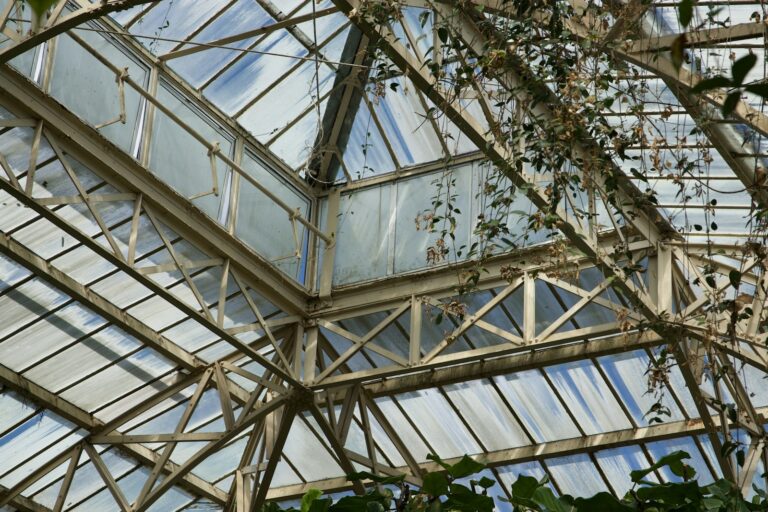
An orangery sits between a conservatory and a brick extension. It has brick or rendered piers rather than a full-height glazed wall, and a flat roof perimeter with a glass roof lantern in the middle, so you get a plastered ceiling, space for downlights and much better insulation than a conservatory, with plenty of daylight. That extra structure is what you pay for.
Published 2026 prices agree on the shape of the market, if not the exact numbers. Checkatrade puts the average 16m² orangery at about £32,500. Less.co.uk gives a typical range of £20,000–£55,000 with the same £32,500 average. BestBuilders, looking at orangery extensions built by general builders, quotes £30,000–£75,000+ excluding VAT. The difference is mostly specification: a supplier’s standard uPVC orangery is at the bottom of the range, while a bespoke aluminium or timber orangery with bifolds, underfloor heating and an open-plan kitchen link is at the top.
Orangery cost by size
| Size | Floor area | Typical price range | Mid-point |
|---|---|---|---|
| 3m × 3m (small) | 9m² | £20,000 – £30,000 | £25,000 |
| 4m × 3m (medium) | 12m² | £25,000 – £40,000 | £32,500 |
| 4m × 4m | 16m² | £30,000 – £45,000 | about £35,000 |
| 5m × 4m (large) | 20m² | £35,000 – £60,000 | £45,000 |
| 6m × 4m (extra large) | 24m² | £45,000 – £70,000 | £57,500 |
| 30m² and over | 30m²+ | £75,000 – £90,000+ | – |
Orangery cost per m²
BestBuilders quotes £2,500–£3,500 per m² for a standard orangery extension and £4,000+ per m² with premium glazing, structural openings and high-end finishes, excluding VAT. Dividing Less.co.uk’s installed prices by floor area gives a lower £1,750–£3,300 per m². Smaller orangeries cost more per m² because the lantern, doors and fixed costs are spread over less floor area. For comparison, our single storey extension rates are £1,800–£3,500 per m² before VAT, so a high-spec orangery can cost as much per m² as a well-specified brick extension.
Orangery prices by specification and materials
| Specification | Typical 4m × 4m price | What you get |
|---|---|---|
| Standard uPVC | £28,000 – £35,000 | uPVC frames, uPVC or aluminium lantern, brick piers, French doors |
| Mid-range aluminium | £35,000 – £45,000 | Slim aluminium frames and lantern, bifold doors, plastered pelmet with downlights |
| Bespoke timber or hardwood | £45,000 – £60,000+ | Hardwood joinery, bespoke lantern, often for period or listed homes |
| Orangery kitchen extension | Add £15,000 – £30,000 | Knock-through, steel, and a mid-range kitchen fit-out |
Lantern roof costs
The roof lantern is the signature feature of an orangery. Less.co.uk puts a lantern for a medium orangery at £3,000–£6,000, with aluminium costing 20–30% more than uPVC. BestBuilders’ breakdown for a 4m × 4m orangery allows about £6,200 for the flat roof and lantern together. A larger or bespoke lantern adds several thousand pounds more. Choosing solar-control, self-cleaning glass in the lantern is worth the extra; it is the part of the orangery most exposed to the sun.
Brick piers and walls
Brickwork and piers typically cost £4,000–£8,000 for a medium orangery (Less.co.uk), and BestBuilders allows about £6,800 for a 4m × 4m. Matching reclaimed or handmade bricks to an older house costs more; rendered blockwork is cheaper. More brick and less glass also makes it easier to meet the energy rules described below.
Orangery costs by region
An orangery involves more on-site building than a conservatory, so regional labour rates matter more. Here is a 20m² mid-range orangery by region:
| Region | Typical 20m² orangery | Regional adjustment |
|---|---|---|
| London | £44,000 – £69,000 | +25% |
| South East | £39,000 – £61,500 | +12% |
| South West & East of England | £36,500 – £57,000 | +4% |
| Midlands | £34,500 – £54,000 | −2% |
| North of England & Wales | £32,000 – £50,500 | −8% |
| Scotland & Northern Ireland | £33,500 – £53,000 | −4% |
Orangery cost breakdown
Specialist orangery companies usually include design and installation in one price, while a builder-led orangery extension separates these out. Either way, these are the costs to budget for:
| Cost item | Typical cost | Notes |
|---|---|---|
| Groundworks and base | £3,000 – £8,000 | More for drains, slopes or poor access |
| Brick piers and walls | £4,000 – £8,000 | Depends on brick choice and number of piers |
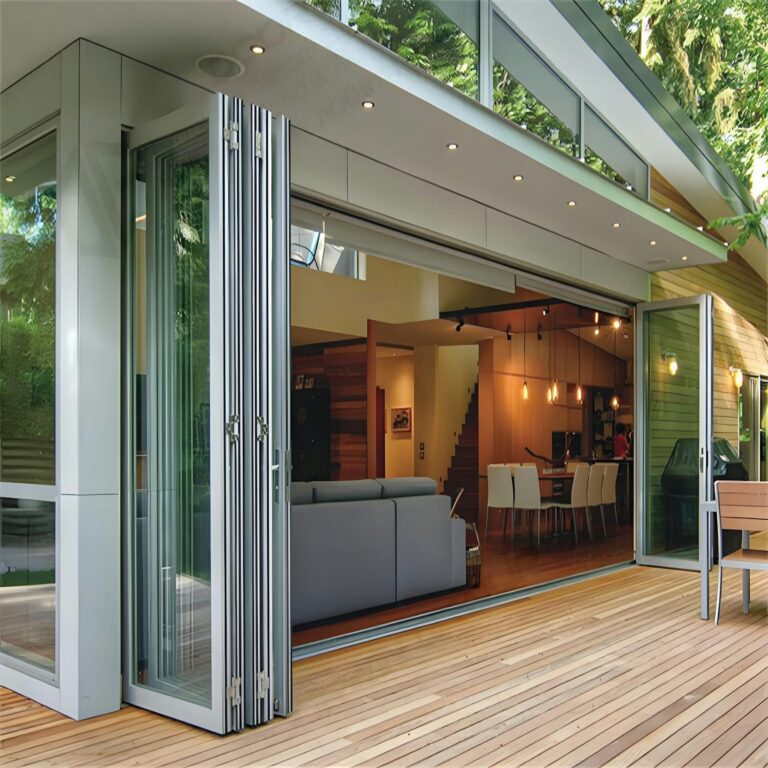
| Frames, glazing and doors | £8,000 – £15,000+ | Bifolds add £2,500–£4,500 |
| Flat roof, insulated pelmet and lantern | £5,000 – £10,000 | Aluminium lantern costs more |
| Electrics, plastering, flooring and heating | £2,500 – £6,000 | Underfloor heating at the top end |
| Design and drawings | 4 – 7% of build cost | Often included by specialist suppliers |
| Structural engineer | £500 – £2,500 | Needed for a knock-through or steel beams |
| Building control | £600 – £1,200 | Local authority or approved inspector |
| Lawful development certificate | £274 | Recommended if built under permitted development |
| Householder planning application | £548 | Only if it exceeds permitted development |
| Party wall surveyor | £1,000 – £3,000 per neighbour | Only if building on or near a shared boundary and neighbours dissent |
| VAT | 20% | Usually included in supplier quotes; check builder quotes |
| Contingency | 10% | Ground conditions and hidden problems |
Real example: 4m × 4m aluminium orangery off a kitchen
Project: 16m² orangery with brick piers to match the house, aluminium frames, aluminium lantern, three-pane bifold, existing back wall widened to create an open link to the kitchen (kitchen not replaced)
Region: Midlands
Finish: mid-range
- Groundworks, foundations and slab: £4,400
- Brick piers: £6,800
- Frames, glazing and bifold doors: £10,500
- Flat roof, insulated pelmet and lantern: £8,800
- Installation labour: £4,000
- Electrics, plastering, heating and flooring: £5,500
- Widening the opening with a steel beam: £2,500
- Structural engineer: £700
- Building control: £900
- Lawful development certificate: £274
- Subtotal (inc. VAT): about £44,400
- 10% contingency: about £4,400
Estimated total: about £44,000–£49,000. Without the knock-through, the same orangery would be closer to £40,000. This is a modelled example built from published 2026 component costs, not a quote.
Orangery vs conservatory vs extension cost
This is the comparison most people are really making. BestBuilders’ 2026 comparison, for a footprint of roughly 14m² including VAT, is a useful starting point:
| Factor | Conservatory | Orangery | Single storey extension |
|---|---|---|---|
| Typical total cost (about 14m²) | £13,000 – £22,000 | £22,000 – £32,000 | £35,000 – £60,000 |
| Time on site | 1 – 2 weeks | 3 – 6 weeks | 10 – 18 weeks |
| Building regulations | Often exempt | Usually required | Required |
| Year-round comfort | Poor to fair | Good | Very good |
| Typical value added | Break-even to +£5,000 | +£12,000 – £25,000 | +£25,000 – £80,000 |
Less.co.uk’s figures tell a similar story: an orangery costs roughly 40–60% more than an equivalent conservatory and 20–30% less than a full extension. Our calculator puts a 16m² standard single storey extension at £44,500–£59,000 all-in in the Midlands. So at the top end of the orangery range, the gap to a proper extension can be small. If you want the room to feel fully part of the house, it is worth pricing both. See our conservatory cost guide and house extension cost guide.
Conservatory to orangery conversion cost
If you already have a conservatory with a sound base and frames, you can often convert it into something close to an orangery by replacing the roof with a solid insulated roof with a central lantern or glazed panels and an internal plastered pelmet, and sometimes by replacing dwarf walls or corner posts with insulated piers.
- Solid roof conversion: BestBuilders quotes £5,500–£11,500, and £6,000–£15,000+ for a new tiled roof depending on size.
- Frame or base strengthening: £800–£2,500 if needed.
- Building control: £400–£1,200, as a solid roof normally ends the conservatory exemption.
Putting those together, our estimate for a typical 12–16m² conservatory to orangery conversion is around £8,000–£20,000, depending on the roof system, whether a lantern is included and whether the walls are rebuilt. Published data on full conversions is limited, so treat this as a guide and get a survey of your existing base and frames first. If the base is poor or the frames are more than 15–20 years old, replacing the whole structure is often better value.
What affects the cost of an orangery?
Glass versus brick ratio
More glazing means more expensive frames and a harder job meeting the energy rules. More brick costs less per square metre and insulates better.
Opening up to the house
Removing part of the back wall needs steel, a structural engineer and building control, and often moves radiators, drains or the kitchen layout too.
Groundworks
BestBuilders estimates £3,000–£8,000 for groundworks, depending on access, drain runs and how level the site is.
Doors, lantern and heating
Bifold or sliding doors, a large aluminium lantern and underfloor heating are the three upgrades that move an orangery from the bottom of the range to the top.
Planning permission and building regulations
Do you need planning permission for an orangery?
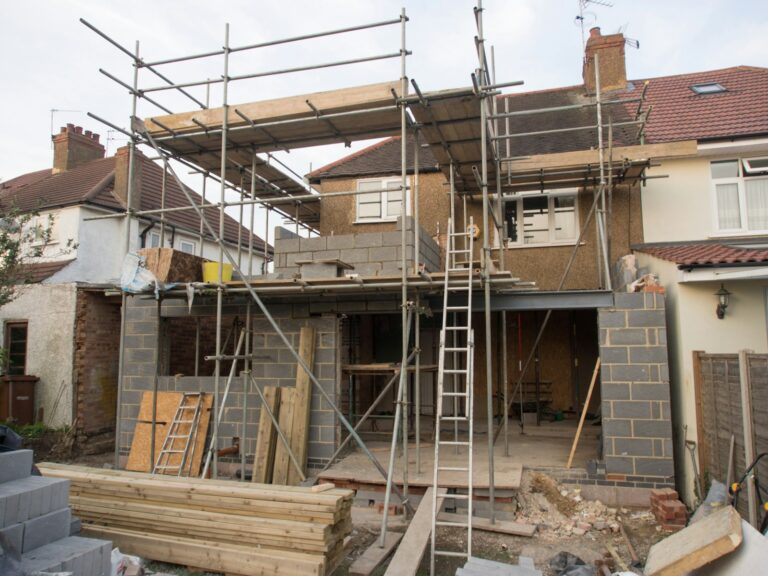
An orangery is treated as a single storey extension. Under permitted development in England you can typically build up to 3m beyond the original rear wall of a semi-detached or terraced house and 4m for a detached house (6m and 8m under prior approval, fee £249), with a maximum height of 4m, eaves no higher than 3m within 2m of a boundary, and no more than half the land around the original house covered. Side orangeries must be single storey and no wider than half the original house. Flats, listed buildings and many designated areas need full planning permission (£548). We recommend a lawful development certificate (£274) for proof when you sell. Read our extension planning permission guide for details.
Do orangeries need building regulations approval?
Usually, yes. Conservatories can be exempt from building regulations if they are under 30m², separated from the house by external doors and independently heated (Planning Portal). But building control bodies generally only treat a structure as a conservatory if about half of the new wall area and three-quarters of the roof are glazed or translucent (Ultraframe). An orangery’s solid flat roof perimeter and brick piers usually take it below those thresholds, so it is treated as an extension and needs full approval.
That has an energy consequence. Under Approved Document L, glazing in an extension (windows, doors and rooflights) should normally be limited to 25% of the extension’s floor area, plus any openings it covers up. Most orangeries exceed this, so you will usually need an SAP calculation or an area-weighted U-value calculation showing the extra heat loss is offset elsewhere, for example by better insulation or a more efficient boiler. Budget a few hundred pounds for this, and expect a good specialist to deal with it for you.
How long does an orangery take?
- Survey and design: 2–4 weeks
- Lawful development certificate or planning: up to 8 weeks; prior approval up to 42 days
- Manufacture of frames and lantern: several weeks, running in parallel with approvals
- Build on site: 3–6 weeks according to BestBuilders, or 6–10 weeks according to Less.co.uk for more complex builds with a knock-through
How to save money on an orangery
- Keep the footprint simple. A rectangle with a single lantern is far cheaper than a bespoke shape.
- Use French doors instead of bifolds: uPVC French doors cost about £800–£1,500 against £2,500–£4,500 for aluminium bifolds (Less.co.uk).
- Keep the existing opening rather than widening the back wall, if you are happy with the layout.
- Stay within permitted development and get a lawful development certificate instead of a planning application.
- Compare specialists with local builders. Specialist firms offer design and guarantees; a builder with a good fabricator can be cheaper for a simple design.
- Hold a 10% contingency for drains, foundations and the energy compliance work.
Does an orangery add value?
An orangery generally adds more value than a conservatory because it is usable all year and feels like part of the house. Less.co.uk suggests 5–7% for an orangery against 3–5% for a conservatory, and BestBuilders estimates a mid-range uplift of £12,000–£25,000, recovering about 50–80% of the cost. A well-specified single storey extension or kitchen extension typically recovers more, so the orangery’s main appeal is light and style rather than return on investment.
Frequently asked questions
Is an orangery cheaper than an extension?
Usually, yes. BestBuilders’ 2026 comparison puts a roughly 14m² orangery at £22,000–£32,000 against £35,000–£60,000 for a brick extension. But a large, high-spec orangery with a knock-through can cost almost as much as a standard extension, so compare both.
How much is a 4m × 4m orangery?
Checkatrade puts the average 16m² orangery at about £32,500. Depending on frames, doors, lantern and whether you open up the back wall, most will cost £30,000–£45,000.
What is the difference between an orangery and a conservatory?
An orangery has more solid structure: brick piers, a flat roof perimeter with an internal plastered pelmet, and a glass lantern in the middle. A conservatory is mostly glazed, with a fully glazed, polycarbonate or tiled roof. Orangeries are warmer, quieter and usually need building regulations approval.
Do you need planning permission for an orangery?
Not usually, if it meets permitted development limits for single storey extensions. You will need planning permission for flats, listed buildings, many designated areas, or if it exceeds the size and height limits.
Can you convert a conservatory into an orangery?
Often, yes, by fitting a solid insulated roof with a lantern and internal pelmet. Expect around £8,000–£20,000 depending on size and system, plus building control. Get the base and frames checked first.
How long does an orangery last?
A well-built orangery is a permanent extension and should last as long as the house, with frames and sealed glazing units typically needing replacement after a few decades.
Get free orangery quotes
Tell us about your orangery or extension plans and we’ll put you in touch with vetted local builders and installers who can quote. Free and no obligation.
Sources and methodology
- Less.co.uk, How Much Does an Orangery Cost in 2026? (updated April 2026).
- BestBuilders, How much does an orangery extension cost in 2026 (UK) (updated August 2026).
- BestBuilders, Conservatory vs orangery vs extension (updated August 2026).
- BestBuilders, Conservatory Cost UK 2026 (updated August 2026) – orangery breakdown and solid roof conversion costs.
- Checkatrade, How much does a conservatory cost? (2026) – 16m² orangery average.
- Everest, Orangery Cost & Buying Guide for 2026 (2026).
- Planning Portal, Conservatories: building regulations (England).
- Ultraframe, Planning and Building Regulations (trade guidance on conservatory glazing proportions).
- CNC Building Control, What can I do if the glazing in my extension exceeds the allowed 25%?
- National planning application fees for England from 1 April 2026.
- How we calculate our cost estimates
All prices are guide figures for 2026 and vary with your property, specification and location. Always get detailed written quotes before starting work.