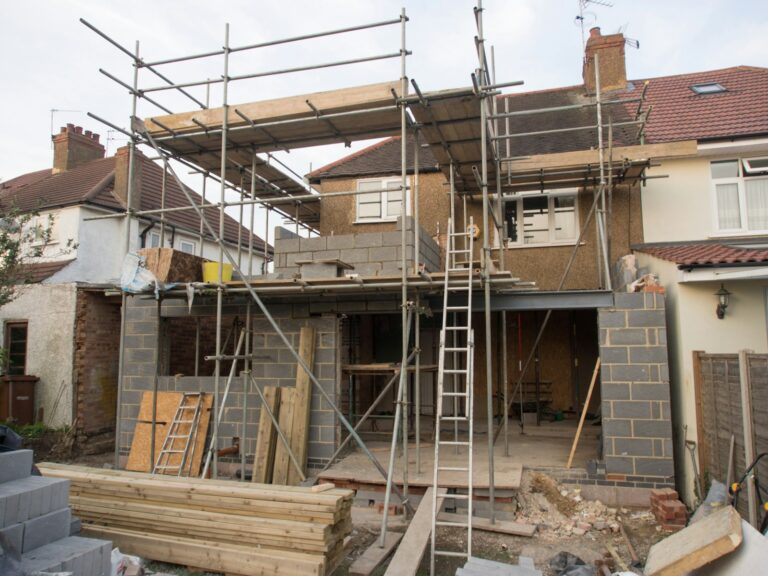
Basement Conversion Cost UK (2026): Cellars & New Basements
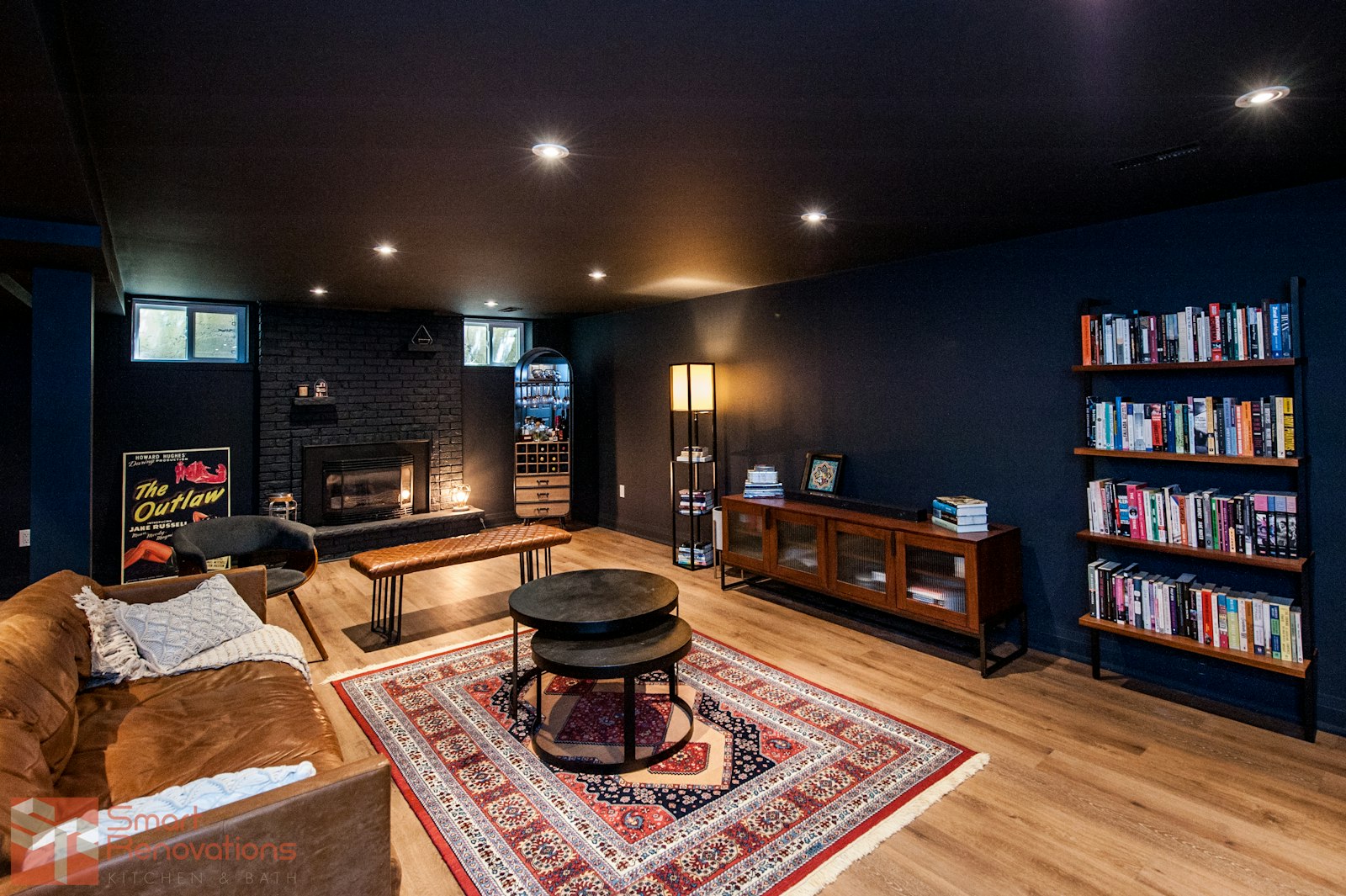
Quick answer
Converting an existing cellar into a habitable room typically costs £1,300–£2,800 per m², or roughly £40,000–£85,000 for a 30m² cellar. Lowering the floor or digging a brand-new basement is far more expensive, at around £2,250–£7,500 per m², so a new basement under a house often costs £120,000–£375,000. London prices are typically 20–50% higher.
- Cellar conversion: about £1,300–£2,800 per m²
- Lowering an existing cellar floor: about £1,650–£5,500 per m²
- New basement (excavation and underpinning): about £2,250–£7,500 per m²
- Build time: 8–12 weeks for a simple cellar; 6–10 months or more for a new basement
Weighing up a basement against other ways to add space? Use our free calculator to price an extension or loft conversion for comparison.
How much does a basement conversion cost in 2026?
“Basement conversion” covers three very different projects, and the price depends almost entirely on which one you are doing:
- Converting an existing cellar that already has usable headroom. You are waterproofing, insulating and fitting out a space that already exists. This is the cheapest option.
- Lowering the floor of an existing cellar to gain headroom. This means digging down and underpinning the walls, which adds major structural work.
- Digging a new basement under the house or garden. Often called a basement extension, this is one of the most expensive ways to add space in the UK.
Published cost guides disagree widely on basement prices, more than on any other home improvement we cover. That is partly because many figures are drawn from London projects, where basements are most common. The table below shows the range across three 2026 sources.
| Project type | Homebuilding & Renovating | MyJobQuote | BestBuilders |
|---|---|---|---|
| Convert existing cellar (habitable) | £1,275 – £1,600 per m² | about £1,500 per m² | £1,800 – £2,800 per m² |
| Lower floor and reinforce existing cellar | £1,650 – £2,250 per m² | about £2,300 per m² | £3,500 – £5,500 per m² |
| New basement under the house | £2,250 – £4,250 per m² | about £3,000 per m² | £4,500 – £7,500 per m² |
| New basement under the garden | £1,950 – £2,500 per m² | not given | £5,500 – £8,500 per m² |
Our reading: for a straightforward cellar conversion outside London, budget towards the lower half of the range. For anything involving excavation, take the higher figures seriously until you have a structural engineer’s report and at least two specialist quotes.
Basement conversion cost by size
| Project | 20m² | 40m² | 60m² |
|---|---|---|---|
| Cellar conversion (UK) | £30,000 | £60,000 | £90,000 |
| Cellar with floor lowering (UK) | £46,000 | £92,000 | £140,000 |
| New basement (UK) | £60,000 | £120,000 | £180,000 |
| Cellar conversion (London) | £37,500 | £75,000 | £115,000 |
| Cellar with floor lowering (London) | £57,500 | £115,000 | £175,000 |
| New basement (London) | £75,000 | £150,000 | £225,000 |
Cellar conversion cost
If you have a Victorian or Edwardian house with a cellar, you may already have most of a room. A cellar conversion typically costs £1,300–£2,800 per m². Paula Higgins of the HomeOwners Alliance, quoted by Homebuilding & Renovating, gives a lower £900–£1,400 per m² for a standard job without underpinning, new stairs or lightwells.
The work usually includes:
- clearing out and repairing the existing structure;
- waterproofing the walls and floor (see basement tanking cost below);
- insulation, plasterboard and a new floor finish;
- electrics, lighting, heating and mechanical ventilation;
- a compliant staircase and fire-safe escape route;
- bringing in daylight, either through existing windows or a new lightwell.
The key question is headroom. BestBuilders treats 2.1m as the practical minimum for habitable use and 2.3m or more as preferable. If your cellar is lower than that, you are into floor-lowering territory and the price can double.
If you only want dry storage or a utility space rather than a habitable room, BestBuilders suggests a basic tidy-up and tanking job at £700–£1,200 per m².
Basement extension cost UK: digging a new basement
Creating a basement where none exists involves excavating beneath the house, underpinning the existing walls in sections, casting a new concrete box, and waterproofing it, before fit-out even begins. Typical figures run from about £2,250 to £7,500 per m². MyJobQuote’s estimate for a 40m² new basement is about £120,000; BestBuilders’ range for a 50m² basement is £225,000–£375,000.
Some specialists build basements under the back garden, connected to the house. These avoid underpinning the house but involve a large excavation, and costs vary hugely between sources, from about £1,950 to £8,500 per m².
Basement excavation cost in London
London is where most new basements are built, because land values are high enough to justify the cost. MyJobQuote puts London costs about 20–25% above the rest of the UK, while BestBuilders reports London and the South East at 30–50% above national averages. On those figures, a 40m² new basement in London would cost about £150,000 at the low end, and a 50m² basement could exceed £500,000 with a premium specification.
London also has extra costs: muck-away from tight streets, parking suspensions, conveyor systems through the house, construction management plans and party wall awards with several neighbours.
Several London boroughs strictly limit basements. The Royal Borough of Kensington and Chelsea’s basements policy, adopted in 2015, generally:
- limits basements to a single storey;
- allows excavation under no more than 50% of each garden;
- forbids excavation under listed buildings;
- requires a construction method statement and a draft construction traffic management plan.
Other boroughs, including Westminster and Camden, have their own basement policies. Check your council’s local plan and any supplementary planning documents before paying for designs. If you are pricing other options in the capital, see our London loft conversion cost guide.
Regional basement conversion costs
The table applies our regional multipliers to a 30m² habitable cellar conversion at £1,300–£2,800 per m², excluding fees and VAT. New basements follow the same pattern but from a much higher starting point.
| Region | 30m² cellar conversion (build only) |
|---|---|
| London | £49,000 – £105,000 |
| South East | £44,000 – £94,000 |
| South West & East of England | £41,000 – £87,000 |
| Midlands | £38,000 – £82,000 |
| North of England & Wales | £36,000 – £77,000 |
| Scotland & Northern Ireland | £37,000 – £81,000 |
Basement waterproofing and tanking cost
Waterproofing is the most important part of any basement, and the hardest to fix later. Building regulations guidance (Approved Document C) points to BS 8102, the British Standard for protecting below-ground structures from water. It describes three types of protection:
- Type A (barrier protection): a tanking membrane or coating applied to the walls and floor to keep water out. Cementitious tanking is the common choice in cellar conversions.
- Type B (structurally integral protection): the concrete structure itself is designed to be watertight. This is mainly used in new-build basements and, as LABC notes, is not suitable for every situation.
- Type C (drained protection): a studded cavity drain membrane lets any water that gets through the wall run into a drainage channel and sump, where a pump removes it. This is the most common system in converted cellars, but it needs regular servicing.
Many designers combine two types for a habitable basement, so that a second line of defence is in place if the first fails. Your waterproofing designer and warranty provider will say what is needed for your site.
| Waterproofing item | Typical cost |
|---|---|
| Cementitious tanking (Type A) | £70 – £120 per m² (BestBuilders: £450–£650 per m² for a full two-coat system) |
| Cavity drain membrane (Type C) | £80 – £140 per m² (BestBuilders: £350–£450 per m²) |
| Sump pump with battery backup, fitted | £2,000 – £3,500 |
| Annual pump service | £120 – £180 |
| Full waterproofing package, 50m² basement | £15,000 – £40,000 |
Remember that the area to waterproof is walls plus floor, not just floor area. A 30m² cellar with 2.2m walls has roughly 75–80m² of surface to treat.
Underpinning and structural work
Lowering a cellar floor or digging a new basement means taking the ground away from under the existing walls. To stop the house moving, the walls are underpinned: new concrete foundations are cast beneath them in short sections, one at a time. BestBuilders estimates that each 0.5m of floor lowering adds roughly £18,000–£35,000 in underpinning. You will also need a structural engineer (Homebuilding & Renovating quotes £1,100–£1,600), and probably temporary works design, ground investigation and a drainage survey.
Full cost breakdown
| Cost item | Typical cost | Notes |
|---|---|---|
| Build work | £1,300 – £7,500 per m² | Depends on cellar vs new basement |
| Design (architect or basement designer) | 4–7% of build cost | Many basement specialists offer design and build |
| Structural engineer | £1,100 – £2,500 | More for complex underpinning and temporary works |
| Building control | £800 – £1,200+ | Always needed for a habitable basement |
| Lightwell | £4,500 – £10,500 | Walk-out lightwells £12,000–£22,000 |
| Planning application | £548 | England householder fee from 1 April 2026 |
| Lawful development certificate (cellar conversions) | £274 | Optional proof that no permission was needed |
| Party wall surveyor | £1,000 – £3,000 per neighbour | Often at the top of the range for excavation |
| VAT | 20% | On building work and fees, not the planning fee |
| Contingency | 10% minimum | Consider 15% or more for excavation |
Real example: converting a 30m² cellar in a Victorian terrace in Leeds
This is a modelled example based on published 2026 cost data, not a quote.
- Project: existing 30m² cellar with about 2.2m headroom converted to a family room; Type C cavity drain membrane with a backed-up sump pump; new rear lightwell; standard finish
- Region: North of England
- Core conversion, including waterproofing and fit-out: £35,200 – £44,200
- Rear lightwell: £6,100 – £10,500
- Design: £1,650 – £3,850
- Structural engineer: £1,100 – £1,600
- Building control: £800 – £1,200
- Party wall surveyor (one neighbour, if they do not consent): £0 – £3,000
- VAT at 20%: £9,000 – £12,850
- Planning application for the lightwell: £548
- Estimated total: about £54,400 – £77,700, plus a contingency of at least 10%
Without the lightwell, the project would probably not need planning permission and would cost roughly £46,000–£64,000. The same project in London could cost 25–50% more.
Planning permission and building regulations for basements
Converting an existing cellar
The Planning Portal says you are unlikely to need planning permission to convert an existing basement into living space, unless you are creating a separate dwelling or changing the outside of the house. Adding a lightwell does require planning permission, and lightwells visible from the street may face stricter rules on appearance.
Digging a new basement
Creating a new basement will commonly require planning permission because of the major works involved and the effect on the outside of the property. Councils, especially in London, may have their own basement policies in supplementary planning documents. Listed buildings need listed building consent. Read our extension planning permission guide for how householder applications work.
Building regulations
Any basement used as a habitable room needs building regulations approval. Inspectors will look at structure, waterproofing, insulation, ventilation, stairs (Approved Document K) and, crucially, fire safety and means of escape: a habitable basement room usually needs either an escape window or door into a lightwell or a protected stair route out of the building. Ask your designer or building control body early, as this can dictate the layout.
Party wall agreements
Basements almost always involve the Party Wall etc. Act 1996 in terraced and semi-detached houses. You must serve notice if you are working on a shared wall, or excavating within 3m of a neighbour’s foundations (6m in some cases for deeper digs). If neighbours do not consent in writing, a party wall surveyor is appointed at your cost, typically £1,000–£3,000 per neighbour and often more for complex excavation. Allow plenty of time: notice periods are one to two months depending on the work, and agreeing an award can take longer.
How long does a basement conversion take?
| Project | Time on site |
|---|---|
| Cellar conversion, no excavation | 8–12 weeks |
| Cellar conversion with lightwell | 12–16 weeks |
| Lowering the cellar floor | 16–22 weeks |
| New basement under the house | 28–40 weeks |
| Design, planning and party wall lead-in | 4–6 months before work starts |
What affects the cost of a basement conversion?
Existing headroom
The single biggest factor. If you can stand up comfortably now, you avoid underpinning.
Water table and ground conditions
High groundwater, clay soils or nearby trees affect the waterproofing design and the structural approach.
Access
Every tonne of soil has to leave the site. Terraced streets with no rear access cost more.
Light
Lightwells, glass walkways and light tubes all add cost, but without them a basement can feel gloomy.
Neighbours
More shared walls mean more party wall notices, awards and monitoring.
Specification
Kitchens, shower rooms, cinema rooms and underfloor heating add to the fit-out cost, just as they would in a house extension.
Does a basement conversion add value?
A basement can add significant value, but mainly where property prices are high. Homebuilding & Renovating suggests a basement conversion can add up to 15% to a home’s value. BestBuilders estimates a habitable conversion recovers about 90–130% of its cost in inner London and 60–100% nationally. The space only counts if it is properly habitable with building control sign-off. Outside high-value areas, a new excavated basement will rarely pay for itself, so a loft conversion or single-storey extension is usually better value.
How to save money on a basement conversion
- Work with the headroom you have. Avoiding floor lowering saves tens of thousands.
- Get the waterproofing right first time. Use a specialist who will provide a design and a guarantee, ideally backed by insurance.
- Skip the lightwell if you can, or use existing windows; this may also avoid a planning application.
- Talk to neighbours early to improve the chance of written party wall consent.
- Check your VAT position. Work on a home that has been empty for two years or more may qualify for the reduced 5% rate; ask your builder or an accountant.
- Compare quotes from basement specialists, not general builders, and check they itemise excavation, structure, waterproofing and fit-out separately.
Frequently asked questions
Is it cheaper to convert a basement or build an extension?
Converting an existing cellar with good headroom can cost about the same per m² as a standard single-storey extension. Digging a new basement costs much more per m² than extending above ground, so it usually only makes sense where land is scarce and property values are high.
How much does it cost to convert a cellar?
Typically £1,300–£2,800 per m² for a habitable room, or about £40,000–£85,000 for a 30m² cellar before fees and VAT. A simple storage-grade conversion can be £700–£1,200 per m².
How much does basement tanking cost?
Sources vary from about £70–£140 per m² for the membrane or coating alone to £350–£650 per m² for a complete system. A full waterproofing package for a 50m² basement typically costs £15,000–£40,000.
Do I need planning permission for a basement?
Converting an existing cellar usually does not need planning permission, unless you add a lightwell, change the outside of the house or create a separate dwelling. Digging a new basement commonly does, and some London boroughs strictly limit basement size.
What is the minimum ceiling height for a basement room?
Building regulations in England do not set a general minimum ceiling height for habitable rooms, but 2.1m is a practical minimum and 2.3m or more feels comfortable. Stairs need adequate headroom under Approved Document K.
How long does a basement conversion take?
A straightforward cellar conversion takes around 8–12 weeks on site. Lowering a floor takes about 4–5 months, and a new basement can take 7–10 months, plus several months of design, planning and party wall work beforehand.
Do I need a party wall agreement for a basement?
Usually, if you live in a terraced or semi-detached house. Excavating within 3m of a neighbour’s foundations, or working on a shared wall, means you must serve notice. Without written consent, a surveyor will be appointed at your cost.
Get free basement conversion quotes
Tell us about your cellar or basement plans and we will put you in touch with vetted local specialists who can survey and quote. Free and no obligation.
Sources and methodology
- Homebuilding & Renovating, How much does a basement conversion cost? Our quantity surveyor answers your questions (updated 28 January 2026).
- MyJobQuote, Basement conversion cost (updated 14 September 2026).
- BestBuilders, How much does a basement conversion cost in 2026? (UK) (updated 23 August 2026).
- Trade2Base, Basement waterproofing costs UK (June 2026).
- Planning Portal, Basements – planning permission (England, accessed October 2026).
- LABC, Basement waterproofing and BS 8102: how to achieve compliance with the Building Regulations (accessed October 2026).
- Royal Borough of Kensington and Chelsea, Basements planning policy (adopted January 2015).
- National planning application fees for England from 1 April 2026 (householder £548; lawful development certificate £274).
- How we calculate our cost estimates
All prices are guide figures for 2026 and vary with your property, ground conditions, specification and location. Basement costs in particular vary widely between sources and sites. Always get detailed written quotes before starting work.